




















What Is a Steam Turbine and How Does It Convert Thermal Energy Into Power?
Why do steam turbines matter so much in power generation?
A steam turbine sits at the center of many power systems because it turns heat into usable shaft power with high reliability and continuous output. In simple terms, fuel or another heat source boils water, the steam expands through the turbine, and the rotating shaft can drive a generator to make electricity. If you are trying to understand how a power plant actually converts thermal energy into power, the steam turbine is the machine that makes that energy transition visible and practical.
This is why steam turbines show up in utility power stations, industrial cogeneration plants, refineries, chemical facilities, and other process industries. They are not just “big spinning machines.” Their design strongly affects plant efficiency, output stability, maintenance planning, and how much useful work can be extracted from steam before that energy is lost.
What exactly is a steam turbine?
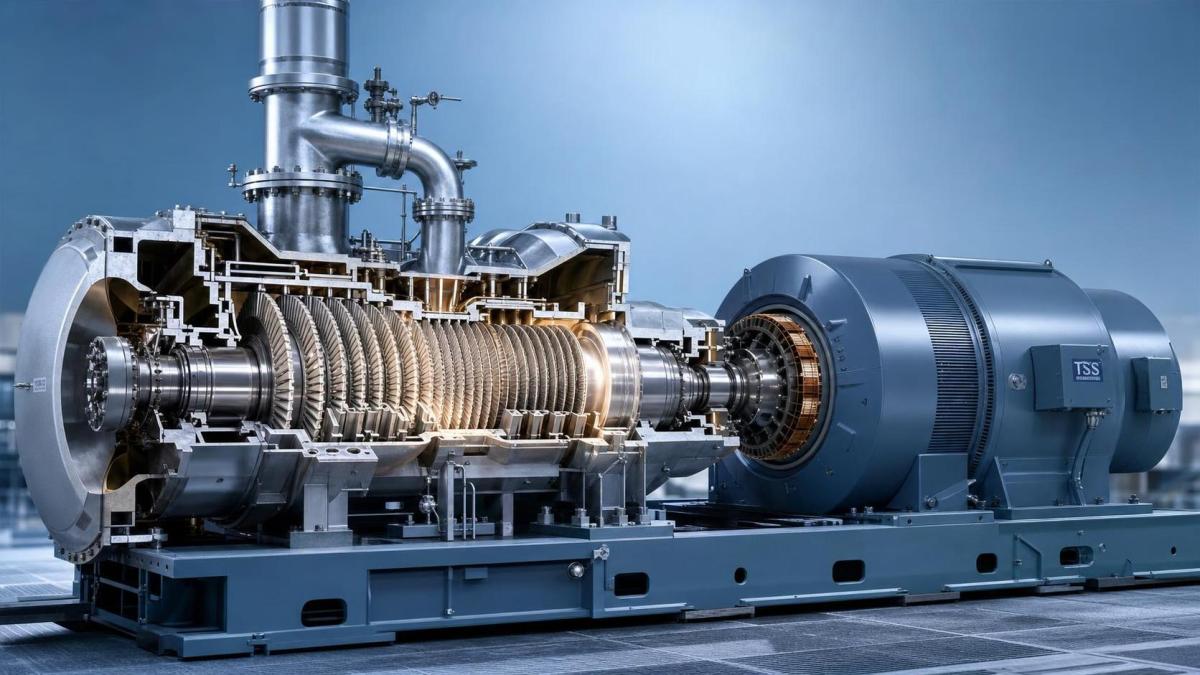
A steam turbine is a rotary machine that converts the pressure and temperature energy of steam into mechanical rotation. Steam flows through a series of stationary and moving blades. As the steam expands and changes direction, it transfers energy to the rotor. That rotor spins a shaft, and the shaft can drive equipment such as an electrical generator, compressor, or pump.
The key point is that the turbine does not create energy on its own. It converts thermal energy that already exists in high-energy steam into mechanical power that can be used elsewhere.
How does a steam turbine convert thermal energy into power?
The conversion happens in stages rather than in one sudden step. High-pressure steam enters the turbine and passes through nozzles or stationary blades that accelerate the flow. That fast-moving steam then strikes or passes over rotating blades mounted on the rotor. As the steam expands, its energy drops, and part of that energy becomes shaft rotation.
A practical way to picture it is this:
- Heat raises water into high-pressure, high-temperature steam.
- Steam enters the turbine and expands through flow passages.
- The expanding steam pushes the rotor blades.
- The rotor turns the shaft.
- The shaft drives a generator, which converts mechanical rotation into electricity.
Not all of the steam’s thermal energy becomes useful power. Some is lost through exhaust, friction, leakage, and other inefficiencies. That is why inlet conditions, blade design, sealing, and exhaust handling all matter.
What are the main parts of a steam turbine system?
When people say “steam turbine,” they often mean the whole turbine train, but the core assembly includes several parts that each affect performance:
- Rotor and shaft: the rotating element that delivers mechanical power.
- Blades: stationary and moving blades guide steam flow and extract energy.
- Casing: the pressure-containing shell around the turbine.
- Bearings: support the rotor and keep rotation stable.
- Seals: reduce steam leakage and help preserve efficiency.
- Governor and control valves: regulate steam admission and speed.
- Exhaust section: directs lower-energy steam to a condenser or downstream process use.
In real plants, you also have the boiler or heat recovery source, condenser, lubrication system, control system, and generator tied into the turbine’s operation.
Are all steam turbines the same?
No, and this is where many first-time researchers oversimplify the topic. Steam turbines differ by operating principle, exhaust arrangement, size, and duty.
The “best” turbine depends on whether the goal is maximum electrical output, combined heat and power, process steam supply, or mechanical drive service.
What determines how efficient a steam turbine will be?
Efficiency is never about the turbine alone. It depends on the steam conditions coming in, the quality of expansion through the turbine, and how the exhaust side is handled. A well-designed turbine can still underperform if the steam is wet, unstable, or below design pressure.
The main checks are usually these:
- Inlet steam pressure and temperature
- Steam flow rate
- Exhaust pressure or condenser performance
- Blade condition and internal clearances
- Seal leakage and bearing health
- Load range versus design point
One common mistake is evaluating a steam turbine by nameplate thinking alone. Actual performance depends heavily on the whole cycle, not just the turbine’s rated output.
Where are steam turbines used, and when is another turbomachine a better fit?
Steam turbines are a strong fit when a facility already has a heat source capable of producing steam, or when exhaust heat can be recovered economically. That makes them common in thermal power plants, waste heat recovery systems, and industrial sites that need both electricity and process steam.
In other cases, a gas turbine may be more suitable, especially where fast-start power, compact layout, or specific fuel flexibility matters. For example, SINO-QNP also offers Gas Turbine options in multiple models from 2 MW up to 114.5 MW, with published fuel coverage including natural gas, light fuel oil, diesel, coke oven gas, hydrogen blending, and MLCV fuels depending on model. That does not replace a steam turbine in every case, but it helps explain why turbomachinery selection always starts with the energy source and duty, not with one machine type in isolation.
What should a researcher or buyer look at first when comparing steam turbines?
Start with the process conditions. Before comparing brands, layouts, or quotations, gather the operating data that defines whether the turbine can do the job.
- Required power output or driven equipment duty
- Steam inlet pressure, temperature, and flow range
- Expected exhaust condition
- Operating pattern: base load, variable load, or standby
- Need for extraction or process steam
- Site constraints such as cooling water, space, and maintenance access
Without that information, it is easy to compare turbines that are not actually designed for the same service. That leads to misleading efficiency claims and sizing errors.
What usually goes wrong in real operation?
The most frequent problems are not mysterious. They usually trace back to steam quality, poor control of operating conditions, or delayed maintenance. Wet steam can erode blades. Fouling reduces flow quality. Seal wear increases leakage. Bearing issues affect vibration and rotor stability. Condenser problems can also drag down overall output because the turbine cannot expand steam as effectively as intended.
If you are reviewing a turbine’s health, pay attention to trend data rather than one isolated reading. Changes in vibration, heat rate, steam consumption, exhaust pressure, or startup behavior often reveal trouble earlier than a visible failure does.
Is a steam turbine only about electricity generation?
Not at all. Electricity generation is the most familiar use, but steam turbines also drive compressors, pumps, and other rotating equipment in industrial settings. In combined heat and power systems, they can support both electrical output and useful thermal service at the same time. That dual role is one reason they remain so relevant in process industries.
A good rule of thumb is this: if you want to understand a steam turbine properly, do not stop at the turbine casing. Look at the full energy path, from steam generation to shaft work to exhaust use. That is where the real performance story lives.
- ▶ When an extraction steam turbine improves combined heat and power output
- ▶ What happens when process steam demand changes on an extraction steam turbine
- ▶ How to match extraction steam turbine pressure to process demand
- ▶ When local service coverage matters for a gas turbine generator manufacturer
- ▶ How manufacturer lead times can alter a gas turbine generator project
- ▶ Which certifications matter when choosing a gas turbine generator manufacturer
Search from here
Leave a message
