




















Steam Turbine Price: What Determines the Cost of an Industrial Unit?
Steam turbine price is rarely a simple catalog figure. For procurement teams, the cost of an industrial unit depends on power output, steam conditions, turbine configuration, materials and project scope. Installation, auxiliary equipment and long-term service requirements also affect the total investment. The challenge is not just obtaining a competitive quotation; it is making sure the equipment being quoted will work with the steam, electrical and process systems already planned for the site.
Why there is no reliable price per megawatt
Two turbines with the same electrical output can have very different prices. One might operate on stable, high-pressure steam and exhaust to a condenser. Another might use variable steam from an industrial process, supply extraction steam to several users and operate under tighter control requirements. Their output ratings look comparable; their engineering requirements do not.
A price-per-megawatt figure may help with a preliminary budget, but it is a weak basis for choosing a supplier. Before treating a figure as a benchmark, establish whether it covers the turbine alone or a complete turbine-generator package, and whether installation, civil works and commissioning are included. Without those boundaries, a seemingly inexpensive offer may simply leave more for the owner to buy.
Steam conditions often matter more than the headline output
Inlet pressure and temperature influence the turbine’s aerodynamic design, casing, valves and material selection. Exhaust pressure also matters. A condensing turbine is designed to expand steam to a low exhaust pressure, while a backpressure turbine discharges steam at a pressure useful to a downstream process. The latter can make sense where a plant needs both electricity and usable process steam, but its electrical output depends on the steam demand and available pressure drop.
Do not specify only the normal operating point. Ask the process team for expected minimum and maximum steam flows, variations in inlet conditions, required exhaust conditions and anticipated operating hours. A unit optimized for a single design point may be less attractive if the plant spends much of its time at partial load. Conversely, paying for a wide operating envelope that the plant will never use can add unnecessary cost.
Extraction requirements deserve particular attention. If steam must be taken from the turbine for heating or process use, the supplier needs to know the required pressure, flow and control behavior. Adding or changing an extraction point late in the project can affect the turbine design and the surrounding piping and controls.
Configuration and materials: pay for the duty, not a generic specification
The choice between a simpler backpressure arrangement and a condensing or extraction-condensing configuration should follow the site’s heat and power balance. A condensing arrangement can recover more electrical output from the available steam, but it also requires consideration of the condenser, cooling system and associated auxiliaries. Whether that additional investment is justified depends on electricity value, cooling availability and process steam demand.
Materials are similarly application-specific. Steam temperature, pressure, chemistry and expected operating pattern affect component selection. Corrosion, erosion and wet-steam exposure should be discussed with the supplier rather than handled through a blanket request for premium materials everywhere. Ask which components drive the material choice, what operating assumptions support it and what inspection or maintenance implications follow.
Generator speed and electrical requirements can change the package too. Depending on the selected turbine and generator arrangement, a gearbox may be required. Grid connection, protection systems and plant control interfaces need to be defined early enough for suppliers to price the same scope.
The quotation boundary is where budgets go wrong
A turbine quotation may cover the core machine while excluding items needed to run it. Others may include a generator, lubrication system, control panel and factory testing, but leave field piping and electrical work to the owner. Neither approach is inherently wrong. The risk is comparing the totals without identifying what each one buys.
Request a line-by-line scope and an exclusions list covering, as applicable:
- Turbine, generator, gearbox if required, valves and governing system.
- Lubrication, sealing, controls, instrumentation and protection systems.
- Condenser, cooling equipment and other auxiliaries where relevant.
- Factory inspection and testing, documentation, training and recommended spares.
- Freight, insurance, duties, site installation, commissioning and performance testing.
Also establish the interface points: who supplies steam piping up to the inlet valve, who connects the generator to the electrical system, and who integrates the turbine controls with the plant system? These details can shift cost between contracts without changing the turbine itself. For an EPC proposal, check which civil, mechanical and electrical works are included rather than assuming that “turnkey” covers every site obligation.
Compare lifetime cost without overstating the savings
A lower initial steam turbine price can be reasonable for a unit that runs infrequently. For continuous operation, efficiency, availability and maintenance support may have a larger influence on the purchasing decision. Request predicted performance at the design point and at relevant part-load conditions, using the same inlet and exhaust assumptions for every bidder.
Performance figures should be tied to a defined test method, measurement conditions and guarantees in the contract. Clarify what happens if guaranteed output or steam consumption is not met, including the agreed remedies and any limitations. Do not assume that a quoted efficiency is directly comparable unless the calculation boundaries are clear.
Maintenance costs are less precise at quotation stage, but they should not be ignored. Ask for recommended inspection intervals, the scope of major overhauls, spare-parts lists and expected support arrangements. For a site with limited maintenance resources, access to technical assistance and replacement parts may be worth more than a modest reduction in purchase price. Confirm response arrangements and spare-parts availability contractually where they are important to operations.
Prepare a bid package that suppliers can actually price
Before issuing a request for quotation, assemble a steam balance, operating cases, electrical requirements, site conditions and the intended division of responsibilities. Identify whether the turbine will drive a generator or another machine, and specify the required design life, operating regime and applicable project standards where known. If information is uncertain, mark it as an assumption and ask bidders to identify the cost and schedule effects of changing it.
This is especially useful when the turbine is part of a wider rotating-equipment project. SINO-QNP has more than 30 years of turbomachinery experience and provides design, manufacturing, EPC and spare-parts services across equipment types. Its Compressor offering includes turnkey unit solutions, which can be relevant when a project requires coordination across multiple equipment packages. Even with an integrated supplier, the purchaser should define package interfaces and performance guarantees explicitly.
The most useful next step is to normalize competing bids against one operating basis and one scope of supply. Where a supplier proposes an alternative, ask for the technical reason, the effect on auxiliary equipment and a separately priced deviation. That makes the trade-off visible before a low headline figure becomes an expensive change order.
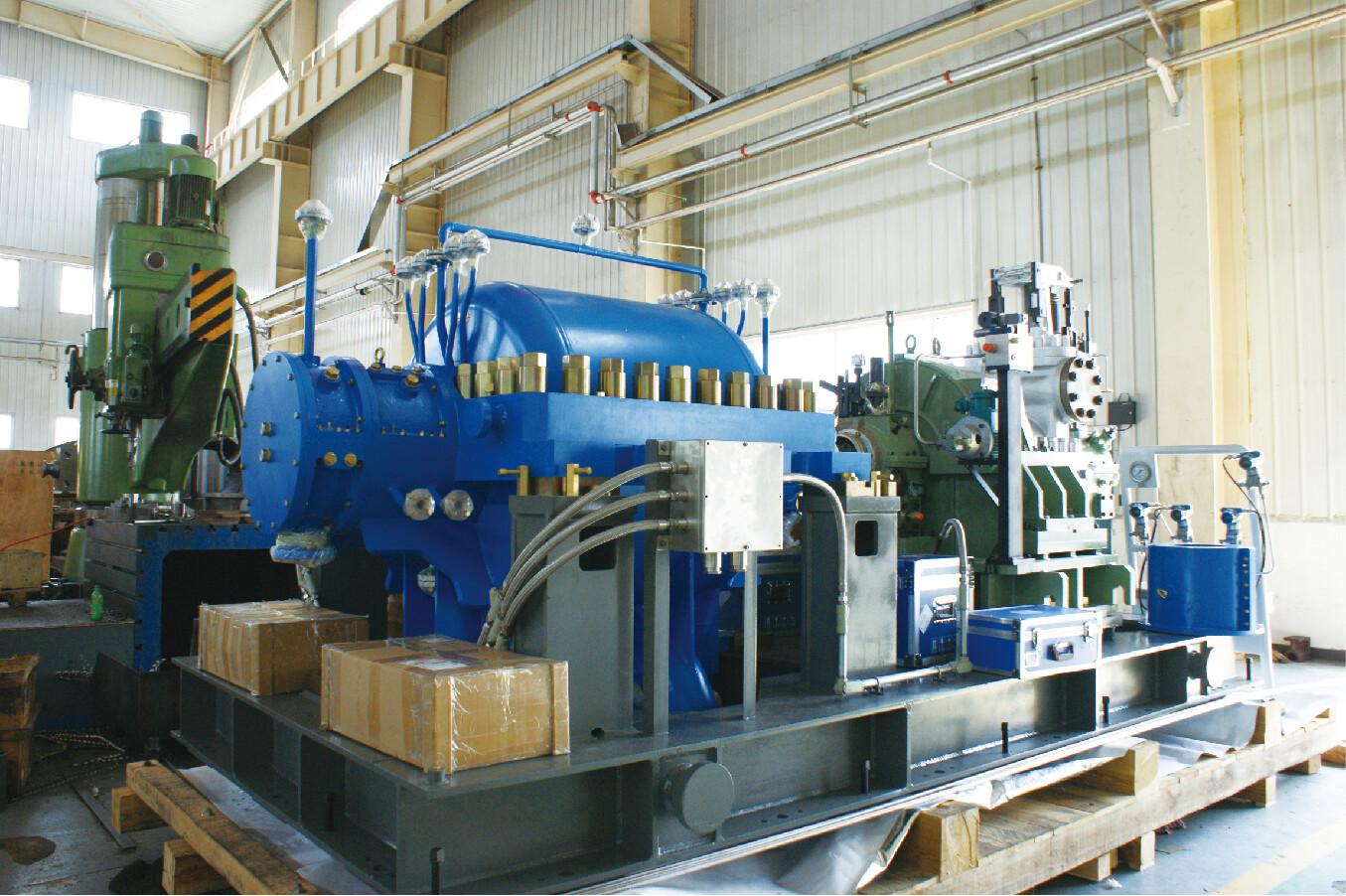
 CompressorSINO-QNP focuses on the R&D, design, manufacturing, sales, and service of turbomachinery products such as centrifugal compressors, axial compressors,as well as providing turnkey solutions for compressor units.
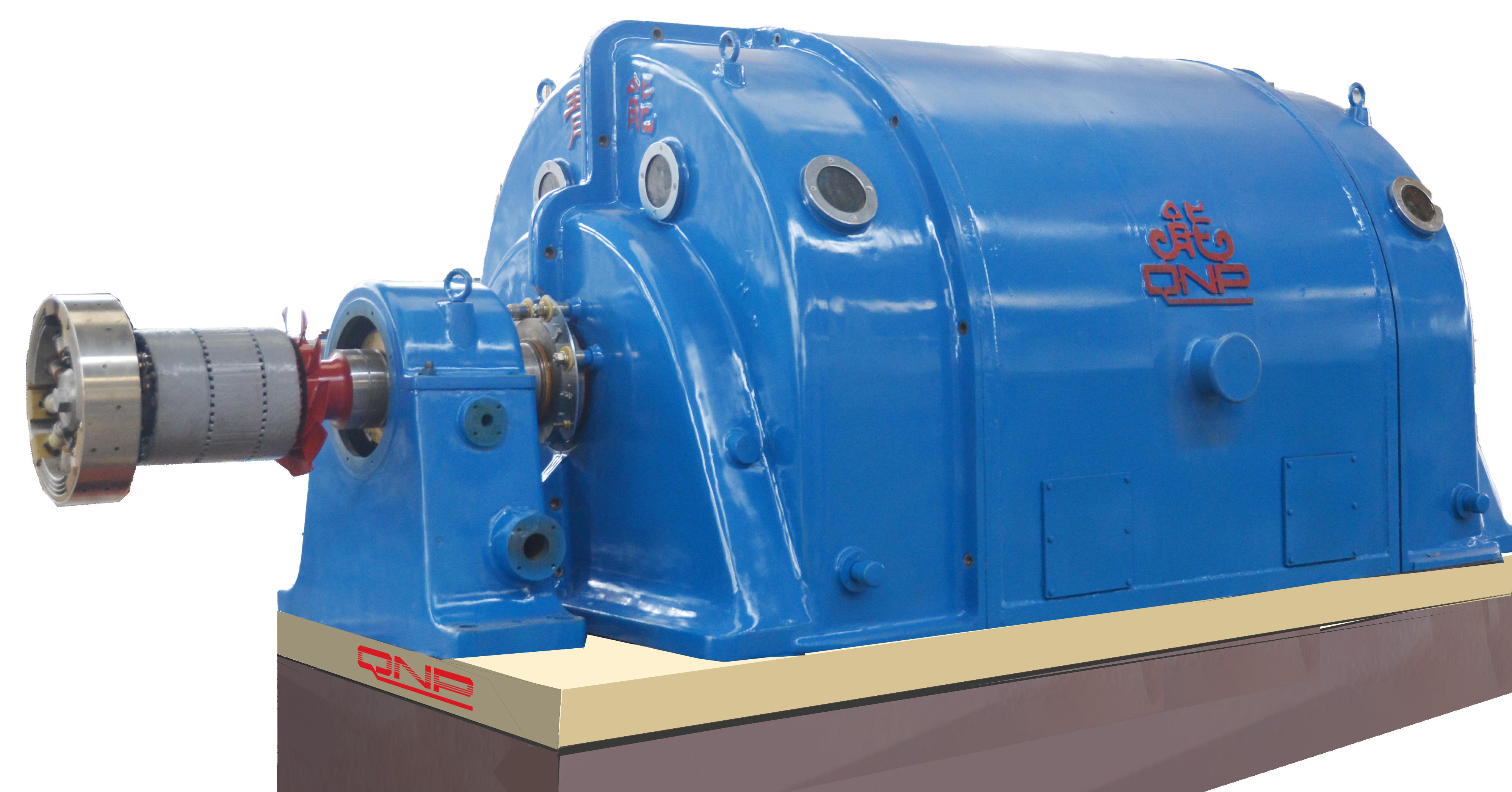
 GeneratorThe generators produced by SINO-QNP are three-phase two-pole or four-pole turbine type hidden-pole synchronous generators, which adopt open or closed circulation ventilation system, end cover bearing or separated seat bearing, insulation grade being F.
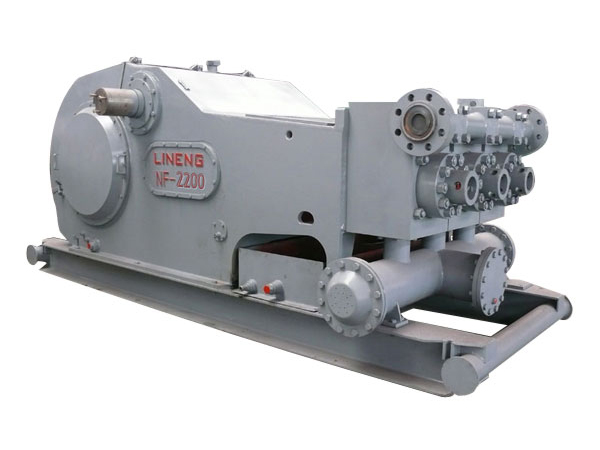
 Mud pumpSINO-QNP mainly produces NF and PZ series of mud pumps, NF series are designed and manufactured according to API standard. Mud pumps are mainly driven by diesel engine and motor.
- ▶ New vs. Refurbished Steam Turbines: Comparing Purchase Costs and Risks
- ▶ Steam Turbine Price: What Determines the Cost of an Industrial Unit?
- ▶ Steam Turbine Restart After Maintenance: A Pre-Startup Checklist
- ▶ Steam Turbine Overhaul Costs: Budgeting for Labor, Parts and Downtime
- ▶ Steam Turbine Bearing Failure: Warning Signs and Inspection Steps
- ▶ Steam Turbine Maintenance Schedule: Planning Inspections and Overhauls
Search from here
Leave a message
