




















Steam Turbine Manufacturer | Industrial Steam Turbine Solutions
Section 1: Engineering Fundamentals & Performance Optimization
Understanding the thermodynamic principles, efficiency metrics, and mechanical parameters of steam turbines is essential for selecting and maintaining high-performance drivers in power generation and heavy industry.
A comprehensive technical guide covering working principles (impulse vs. reaction), parameter selection (low pressure to supercritical), performance calculations, specific steam consumption, and life-cycle maintenance strategies.
Section 2: Turbine Types & Thermodynamic Configurations
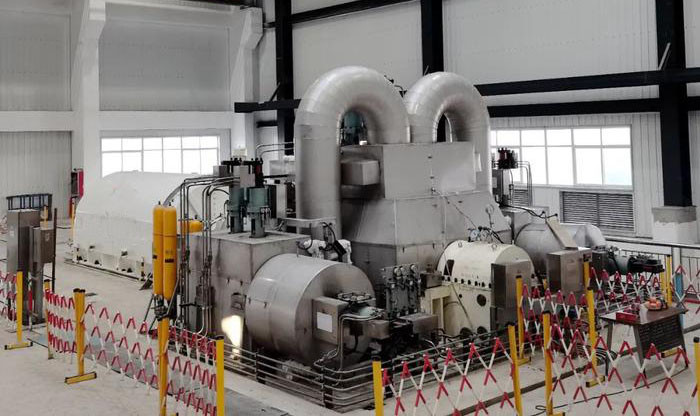
SINO-QNP manufactures impulse steam turbines covering all parameters from low pressure to supercritical (0.5 MW to 400 MW), as well as world-class imported high-pressure and ultra-high-pressure reaction turbines (3 MW to 300 MW).
Industrial Steam Turbines: Complete Range of Condensing, Back Pressure & Reaction Solutions Detailed overview of core structural and thermodynamic configurations:
Condensing Steam Turbines: Designed for maximum power generation using air-cooled or circulating water systems.
Back Pressure Steam Turbines: Engineered for combined heat and power (CHP) to supply process steam directly to plant networks.
Extraction Condensing & Extraction Back Pressure Turbines: Delivering flexible, multi-stage process steam extractions alongside power generation.
Reaction Steam Turbines: High-speed and conventional-speed reactive models engineered for ultra-high thermodynamic efficiency.
Section 3: Capacity & Power Output Range
From compact mechanical drives to utility-scale power generation, SINO-QNP steam turbines provide tailored power solutions across all capacity tiers.
Steam Turbine Power Range Guide: 1 MW to 400 MW Solutions Capacity and application mapping across nine major power output tiers:
Small-Scale (1 MW – 10 MW): Compact solutions for waste heat recovery (WHR), small biomass, and industrial mechanical drives.
Mid-Scale (20 MW – 50 MW): High-efficiency units for industrial captive power, waste-to-energy, chemical plants, and refineries.
Large-Scale (100 MW – 400 MW): Utility-grade impulse and reaction turbines for combined cycle plants, photothermal (CSP) energy, and regional district heating.
Section 4: Industry Applications & Specialized Solutions
SINO-QNP steam turbines are engineered to meet strict operational parameters across diverse renewable, industrial, and heavy manufacturing sectors.
Industrial Steam Turbines for Diverse Power Generation & Heavy Industry Applications In-depth breakdown of industry-specific steam turbine integrations:
Renewable & Waste-to-Energy: Biomass power generation, municipal waste incineration, and photothermal (CSP) solar plants.
Waste Heat Recovery (WHR): Energy recovery installations for cement kilns, steel mills, and glass manufacturing.
Process Industry Cogeneration: Tailored heat and power solutions for chemical plants, refineries, sugar mills, and captive industrial grids.
Section 5: Technology Comparisons & Selection Criteria
Evaluating equipment configurations and thermal drivers helps plant operators and EPC contractors choose the right driver for specific thermal demands.
Steam Turbine Comparisons & Selection Guide: Evaluating Turbines, Technologies, and Drivers Engineering evaluations comparing:
Condensing vs. Back Pressure vs. Extraction Turbines: Matching turbine exhaust designs to power vs. process heat priorities.
Steam Turbines vs. Gas Turbines & Steam Engines: Key operational differences, fuel versatility, and cycle efficiency comparisons.
Impulse vs. Reaction Principles: Selecting between robust all-parameter impulse designs and high-efficiency reactive models.
Section 6: Commercial Procurement, Factory & Pricing
Partnering with a reliable global manufacturer ensures customized design, strict quality control, and optimized project capital expenditure.
Global Steam Turbine Supplier & Manufacturer | Industrial Procurement, Factory & Pricing Guide Guide to factory manufacturing standards, turn-key steam turbine generator (STG) packages, initial equipment pricing drivers, and complete project CAPEX/OPEX investment calculations.
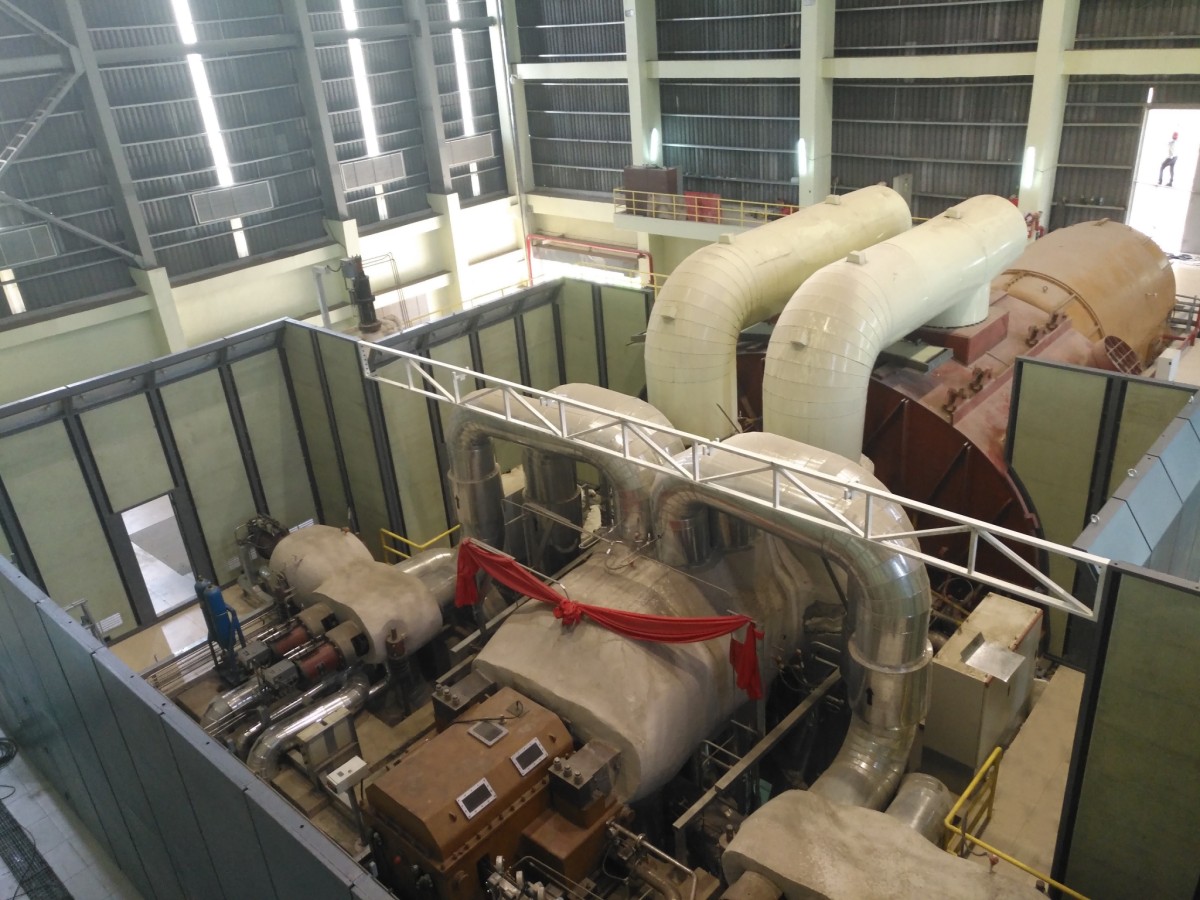
SINO-QNP Core Product Portfolio Overview
Whether you are designing a micro-scale waste heat recovery system for a cement plant or engineering a utility-scale combined cycle facility, SINO-QNP provides the thermodynamic precision required to maximize energy conversion. By leveraging our comprehensive range of impulse and reaction technologies spanning 0.5 MW to 400 MW, EPC contractors and facility operators can achieve optimal heat rates, seamless grid integration, and reliable long-term operational efficiency.
- ▶ How condenser pressure affects a 100 MW steam turbine's output
- ▶ How much steam does a 100 MW steam turbine need at full load?
- ▶ Why an impulse steam turbine loses power when steam pressure drops
- ▶ How does partial admission affect an impulse steam turbine?
- ▶ When should you choose an impulse steam turbine over a reaction design?
- ▶ How does an impulse steam turbine convert steam into shaft power?
Search from here
Leave a message
