




















For recurring short-term projects, leasing usually makes sense when demand is uncertain. Buying becomes more attractive when utilization is predictable and ownership costs remain controlled.
The decision affects more than upfront spending. Equipment availability, maintenance capacity, transport costs, and project delays can outweigh apparent savings in either procurement route.
Business leaders should compare the annual cost of securing dependable pumping capacity, including idle periods, rather than simply comparing a purchase price with monthly payments.
This guide explains how to estimate that cost, assess operational exposure, and choose an arrangement that supports your project pipeline without tying up unnecessary capital.
How often will you actually need the equipment?
Start with a twelve-month project calendar. Record expected pumping days, gaps between assignments, project locations, and the probability that each opportunity will become contracted work.
Separate confirmed demand from sales forecasts. A purchase justified by optimistic utilization can become expensive if projects are postponed, shortened, or awarded to another contractor.
Also distinguish operating days from billable rental days. Suppliers may charge throughout mobilization, standby, and demobilization, even when the equipment runs for relatively few hours.
Recurring projects favor ownership when the same unit can move efficiently between jobs. Long gaps, changing specifications, or distant sites can reduce that advantage substantially.
Check whether projects overlap. One owned unit cannot serve two sites simultaneously, so your calculation may still need temporary rentals to cover peak demand periods.
There is no universal utilization threshold. The right purchasing point depends on local rental rates, maintenance requirements, logistics, financing terms, and achievable resale value estimates.
Compare the full cost of securing usable capacity
For short assignments, suppliers may offer rentals rather than financial leases. Clarify the arrangement because minimum terms, cancellation rights, and maintenance responsibilities can differ materially.
A multi-year lease can preserve initial cash while creating fixed obligations during idle months. Flexible rental arrangements may better match intermittent demand, despite higher daily rates.
Request comparable quotations using identical capacity requirements, locations, dates, and accessories. An attractive headline rate means little if essential equipment or support carries additional charges.
Include fuel, electricity, and operators wherever responsibilities differ. Costs identical under both options can be excluded from the decision calculation but remain in project budgets.
Use one evaluation horizon for both options, such as three years. Estimate ownership depreciation from purchase price minus expected resale proceeds across that same period.
For larger purchases, compare discounted cash flows with your finance team. Avoid counting both full purchase expenditure and depreciation as separate costs in one model.
Calculate the break-even point, then test weaker demand
A useful starting calculation divides annual fixed ownership costs by the difference between the effective rental cost per day and variable ownership cost per day.
This simplified formula works when costs scale reasonably with days. Minimum rental periods, repeated mobilizations, and major repairs require a more detailed project-level cost model.
Consider an illustrative case with annual fixed ownership costs of $36,000, an effective rental rate of $900 daily, and variable ownership costs of $300 daily.
The resulting break-even point is 60 chargeable days annually. At 40 days, ownership costs $48,000 versus $36,000 for rental; at 80 days, ownership costs $60,000 versus $72,000.
These figures are assumptions, not market quotations. Replace them with supplier offers, realistic maintenance allowances, transport estimates, and resale evidence for your proposed equipment package.
Test confirmed work, expected demand, and a delayed-project scenario. If purchasing only wins under optimistic assumptions, flexible access may offer better protection for your cash.
Which option protects your project schedule?
Rental transfers some maintenance responsibility only when the contract says so. It does not automatically guarantee immediate replacement, local parts availability, or uninterrupted site operations.
Ask suppliers to confirm availability for your planned dates and locations. During busy periods, a nominally cheaper rental arrangement may leave critical projects without suitable equipment.
Ownership gives you control over dispatch and preparation, but that control requires capable technicians, inspection routines, spare parts, secure storage, and an effective repair process.
Estimate downtime exposure using site standby costs, delayed work, and contractual penalties where applicable. Compare those consequences with each option’s expected response and recovery arrangements.
For essential operations, consider owning a unit for predictable demand while renting additional capacity for peaks. This approach can balance dependable access with flexibility and cash preservation.
Confirm suitability before comparing procurement prices
A financially attractive unit creates little value if it cannot meet the duty. Establish required flow, operating pressure, fluid characteristics, and expected operating duration first.
Confirm the available power source, installation requirements, site access, and compatibility with existing equipment. Changing project conditions may favor access to different configurations through rental.
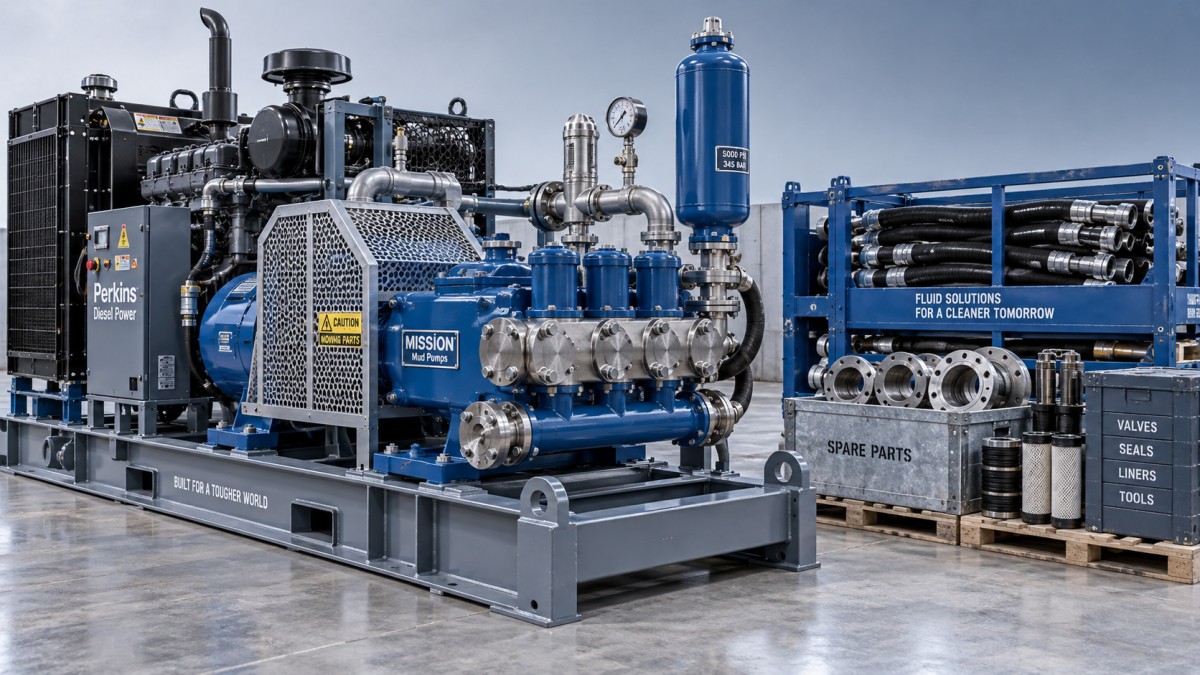
For equipment evaluation, SINO-QNP’s Mud pump range includes NF and PZ models, with diesel-engine and motor-driven options, designed and manufactured according to API standard.
Listed models include NF-500, NF-1300, NF1600, NF-2200, PZ-500, PZ-1300, PZ-1600, and PZ-2200. Model identifiers alone should not establish suitability for your intended operating duty or installation.
Request model-specific performance curves, pressure limits, drive details, and the applicable API standard documentation. Confirm whether the proposed configuration meets your actual project requirements before commitment.
SINO-QNP brings over 30 years of turbomachinery manufacturing experience. Its integrated engineering and spare-parts capabilities provide context, while equipment-specific support arrangements still require confirmation locally.
Negotiate the terms that change the economics
For rental or lease proposals, check minimum periods, standby charges, extension rates, cancellation terms, permitted operating hours, and responsibility for consumables, wear, and accidental damage.
Ask how breakdown time is billed and when replacement equipment must arrive. Record these commitments in the contract so your budget reflects enforceable service terms.
For purchase proposals, confirm the complete delivered package, commissioning scope, warranty conditions, recommended spares, training, and expected lead times for critical replacement components before signing.
Investigate resale prospects using comparable equipment and realistic condition assumptions. Treat any supplier buyback proposal as dependable only after its pricing and acceptance conditions are documented.
Compare payment timing with project receipts. Ownership may reduce long-term equipment costs while still straining working capital during periods when customers pay slowly or milestones slip.
Choose the option your confirmed workload can support
Choose rental or a flexible lease when demand remains uncertain, specifications change frequently, storage is difficult, or your team cannot maintain the equipment economically between assignments.
Favor buying when recurring work reliably exceeds your calculated break-even point, the same configuration suits most projects, and maintenance resources can support dependable equipment availability.
If utilization sits near the threshold, negotiate project-based rentals or a purchase option. Check whether rental payments receive purchase credit and whether that credit expires.
Base the final decision on confirmed demand, complete costs, and credible service commitments. Short project duration alone does not decide whether leasing or buying creates greater value.
