




















How to size a natural gas turbine generator for a changing load profile
Size a natural gas turbine generator against the load profile over time, not against the highest demand recorded on a single meter. A unit selected only for peak kW may spend most of its operating life at an unfavorable load point, consume more fuel than expected, or lack enough spinning margin when a major motor starts. Conversely, excessive installed capacity can create poor part-load operation and unnecessary capital exposure.
Begin with interval data rather than an annual consumption total. Collect electrical demand at the shortest practical interval across representative production states: normal operation, shift changes, batch transitions, seasonal extremes, planned maintenance, and upset recovery. The resulting profile should show the base load, recurring peaks, peak duration, ramp rate, and the frequency of starts and stops. These characteristics determine whether one turbine-generator set, several smaller units, or a turbine combined with another flexible asset is the better fit.
Separate the load into components that behave differently
A changing industrial load rarely has one cause. Continuous auxiliaries, process heaters, pumps, compressors, lighting, and control systems create a relatively steady base. Large motors, crushers, refrigeration equipment, electric furnaces, and intermittent process equipment produce step changes. Some demand is predictable from production scheduling; other demand follows process disturbances and cannot be treated as a fixed peak.
Classify each material load by its electrical behavior before selecting capacity:
- Base demand is the power expected for most running hours. It establishes the operating range that will dominate fuel consumption and maintenance exposure.
- Coincident demand is the realistic total when major loads operate together. Adding every connected nameplate rating usually overstates it, while assuming loads never coincide can leave the generator short at the worst moment.
- Starting and transient demand must be reviewed separately from steady-state kW. A motor start may produce a brief but severe voltage and frequency disturbance even when the continuous load is well within generator rating.
- Export or import variation matters where the site is grid-connected. A turbine sized for island operation is governed by a different reserve philosophy than one operating in parallel with a stable utility source.
Do not convert all of these into a single “peak load” value too early. The duration and shape of a peak affect the selection. A short, controllable peak may be managed through sequencing, a variable-speed drive, battery support, or stored energy. A sustained peak during production-critical operation usually requires firm generation capacity.
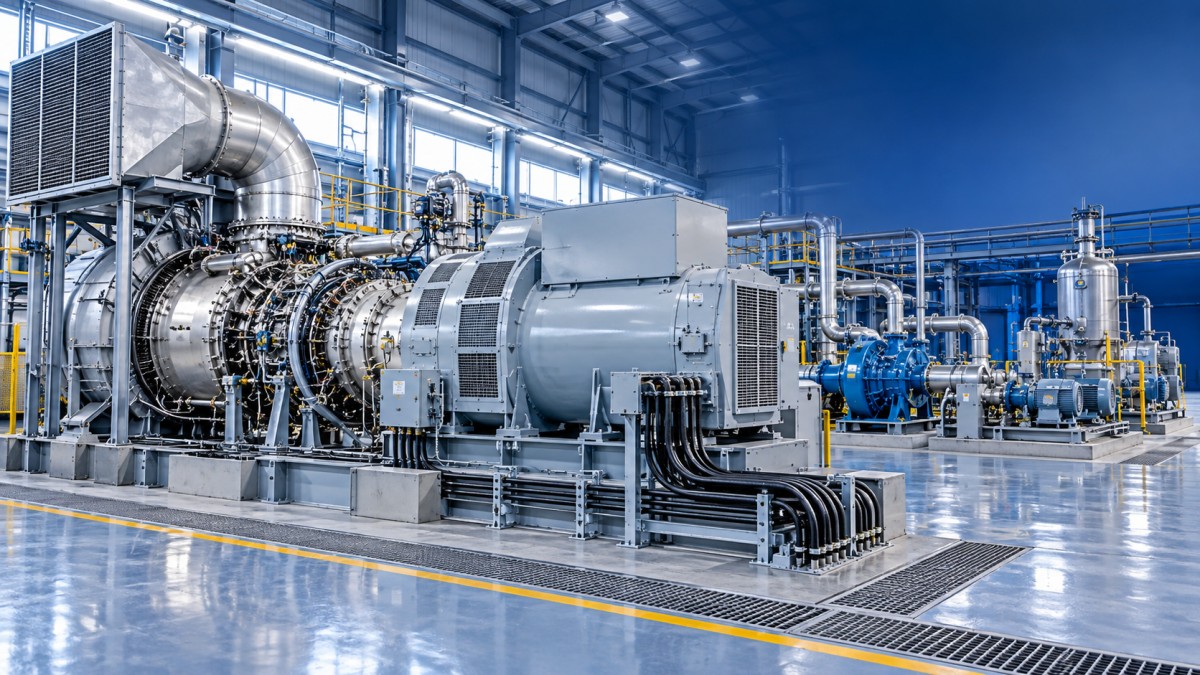
Use the turbine performance map, not the ISO nameplate alone
The published generator rating is often tied to defined ambient conditions. Actual output and heat rate shift with inlet air temperature, elevation, humidity, inlet pressure loss, exhaust backpressure, fuel composition, and degradation over operating hours. Hot weather can be especially important because the same period that raises site cooling load may also reduce gas turbine output.
Request performance data at the project ambient envelope, including the expected summer design condition and the lowest practical operating load. The review should identify net electrical output after auxiliary consumption, not only gross generator terminal output. Inlet filtration, fuel-gas compression where required, lube oil pumps, ventilation, cooling equipment, and plant control loads all affect the power available to the process bus.
Part-load efficiency deserves the same attention as full-load heat rate. A turbine set that operates near its preferred range for extended periods may have a lower lifecycle fuel burden than a larger unit that repeatedly runs far below its efficient point. This is especially relevant when base demand is modest but daily peaks are high. The proper choice may be a smaller lead unit with a second unit for peak periods, rather than one large machine.
Define reserve in operational terms
Reserve capacity is often expressed as a percentage, but the more useful question is what event the reserve must cover. If the largest process motor starts while the site is islanded, available reserve must cover the associated electrical step without allowing unacceptable frequency dip or voltage collapse. If a second generator is intended to start after the event, its startup time does not protect the first seconds of the disturbance.
For multi-unit plants, assess the loss of the largest operating unit and the minimum load that must remain energized. The answer may support an N+1 arrangement, a smaller standby machine, or a controlled load-shedding scheme. These alternatives are not interchangeable. Standby capacity protects supply; load shedding protects only the loads defined as interruptible, and its effectiveness depends on a tested priority sequence and reliable switchgear logic.
Reserve should also account for planned maintenance. A single unit may be technically adequate during normal operation yet force production constraints when inspection, hot-section work, generator service, or auxiliary equipment maintenance is due. Capacity planning should distinguish between acceptable curtailed operation and the power that must remain available without interruption.
Match response capability to the speed of the load change
Average demand hides fast changes. A profile that rises by several megawatts over an hour poses a different challenge from a comparable increase occurring within seconds. Gas turbine controls, fuel system response, generator excitation, governor tuning, and connected rotating inertia determine how the system reacts. The generator and turbine must also be coordinated with protective relays, breaker settings, transformer impedance, and the starting method of large motors.
Load ramps should be plotted with timestamps. Identify whether the change is intentional, such as a scheduled compressor startup, or process-driven. Intentional ramps can often be sequenced around the turbine operating state. Process-driven changes may call for more spinning reserve, a faster complementary resource, or automatic curtailment of nonessential loads.
Where a grid-connected facility has surplus electricity at some times and sharp demand at others, storage may alter the generator sizing basis. Air Energy Storage uses surplus electrical energy to compress air, stores the recovered heat in a thermal medium such as molten salt, and later expands reheated air to generate power. In a suitable power-grid application, this shifts energy across time; it does not eliminate the need to verify short-duration response, dispatch logic, and the firm capacity required during an extended outage.
Choose one large unit or a modular arrangement deliberately
Modularity introduces its own costs and interfaces. Each additional unit requires foundations, enclosures, fuel isolation, exhaust routing, electrical protection, controls integration, spare-parts planning, and maintenance coordination. The value of multiple units comes from better dispatch and redundancy only when the control philosophy is designed to use them correctly. Poor load sharing can leave one machine operating inefficiently while another cycles excessively.
Verify the boundary conditions before freezing the rating
Fuel quality and delivery pressure need early confirmation. Variation in heating value, contaminants, or pressure can affect combustion settings, available output, and fuel treatment requirements. The turbine package must be sized with the actual fuel supply arrangement, including any pressure reduction, heating, filtration, or compression equipment. A nominal gas supply statement without minimum pressure and composition range is not sufficient for final sizing.
Site conditions also influence installation choices. Intake and exhaust duct losses, acoustic treatment, enclosure ventilation, cable routing, transformer location, and crane access may appear secondary to the turbine rating, yet they can change net output, maintainability, or the practical ability to add capacity later. Reserve plot space and electrical bays if expansion is credible, but avoid buying immediate generation capacity solely for an undefined future load.
Before issuing a technical specification, reconcile four documents: the interval load profile, the single-line electrical diagram, the process operating schedule, and the operating philosophy for grid loss, unit trips, and restoration. Conflicts between these documents are common. For example, a process schedule may assume simultaneous motor starts while the electrical design assumes sequential starts; a turbine rating may include an ambient condition that differs from the cooling-load forecast.
A sound final rating states the required net output at specified ambient and fuel conditions, the permitted operating range, ramp and start expectations, auxiliary loads, redundancy basis, and future tie-in assumptions. That definition turns “peak demand” into an engineering duty point that can be evaluated consistently across turbine-generator options.
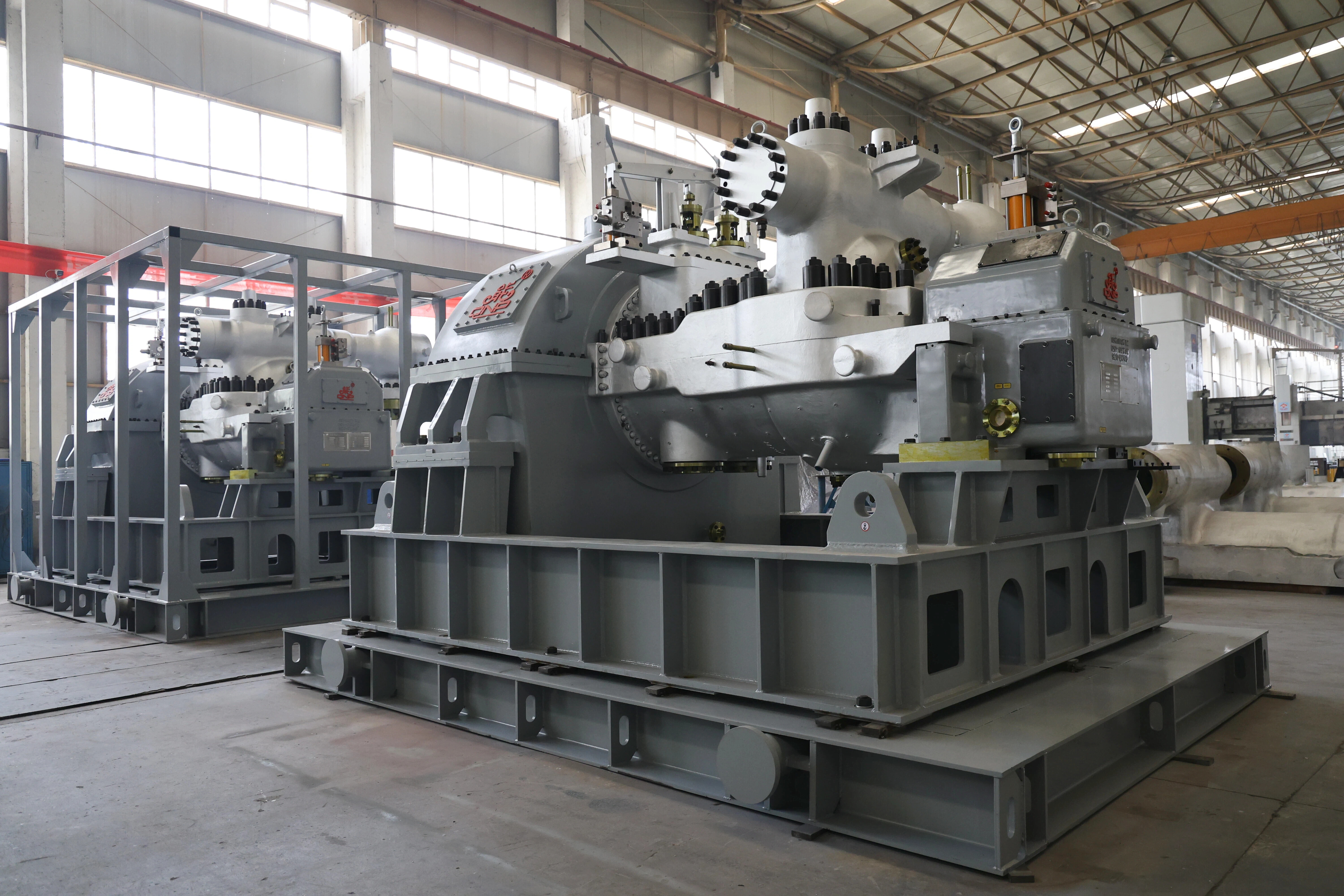
 Steam TurbineThe steam turbines produced by SINO-QNP include two types of working principles: impulse type and reaction type. SINO-QNP products cover impulse steam turbines of all steam parameters, from low pressure to supercritical, and the power ranges from 0.5 MW to 400MW.
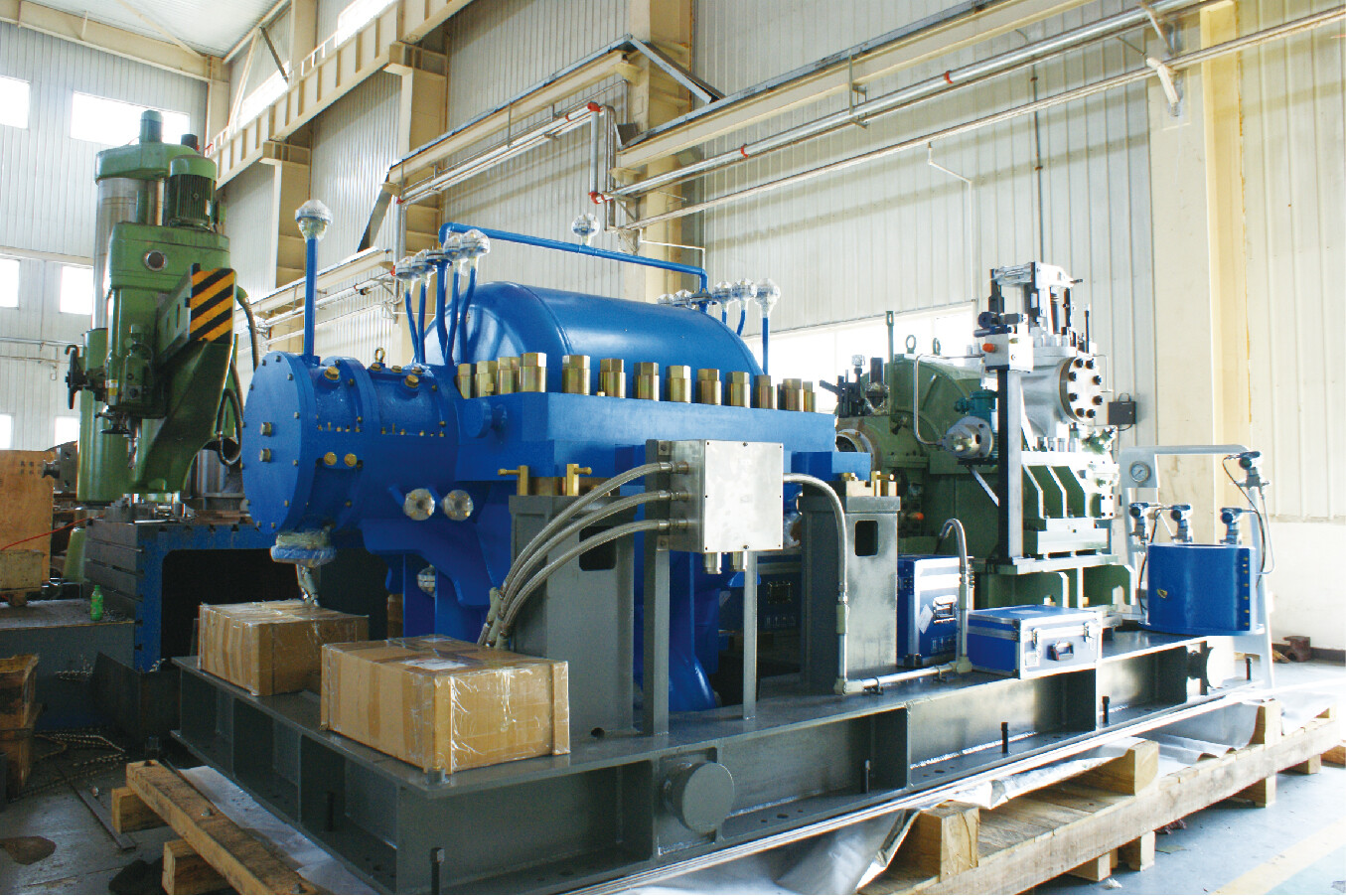
 CompressorSINO-QNP focuses on the R&D, design, manufacturing, sales, and service of turbomachinery products such as centrifugal compressors, axial compressors, reciprocating compressors, and screw compressors, as well as providing turnkey solutions for compressor units.
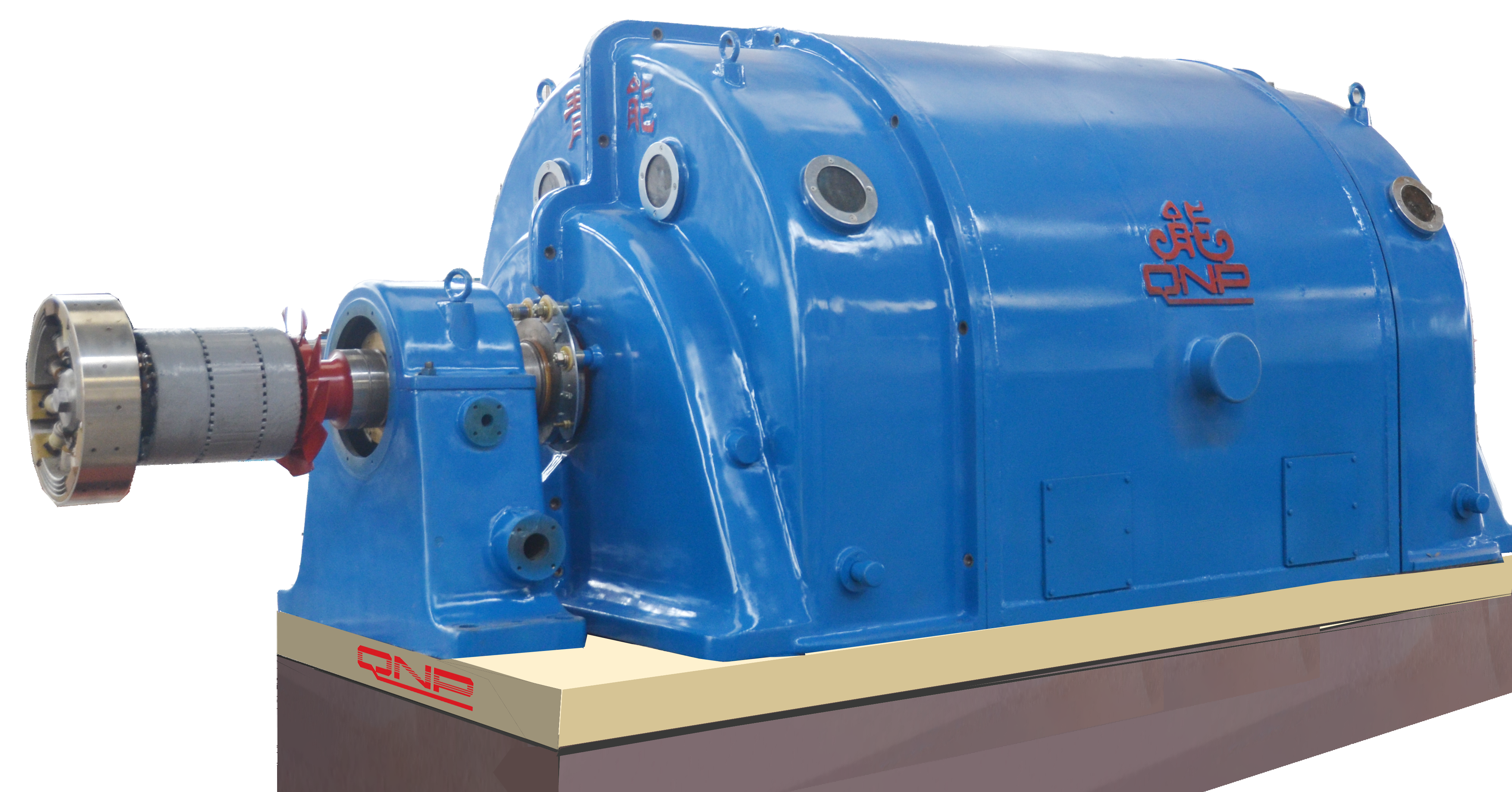
 GeneratorThe generators produced by SINO-QNP are three-phase two-pole or four-pole turbine type hidden-pole synchronous generators, which adopt open or closed circulation ventilation system, end cover bearing or separated seat bearing, insulation grade being F.
- ▶ When an extraction steam turbine improves combined heat and power output
- ▶ What happens when process steam demand changes on an extraction steam turbine
- ▶ How to match extraction steam turbine pressure to process demand
- ▶ When local service coverage matters for a gas turbine generator manufacturer
- ▶ How manufacturer lead times can alter a gas turbine generator project
- ▶ Which certifications matter when choosing a gas turbine generator manufacturer
Search from here
Leave a message
